Mykonos Season Ends With Discounts and Increased State Scrutiny
The tourism season on Mykonos concluded with last-minute bookings, a shift in visitor profiles, and strict regulatory inspections.
- Air arrivals to Mykonos saw a notable decline in the early months of the year.
- Hotels and properties resorted to significant discounts due to careful travel planning.
- Greek tax and planning authorities stepped up inspections and enforcement across the island.
For Israeli travelers and real estate investors looking at Greece, developments in Mykonos highlight the risks of overpricing, showing that visitors increasingly compare costs and shift toward alternative destinations like Paros and Naxos.
Shift in Visitor Patterns
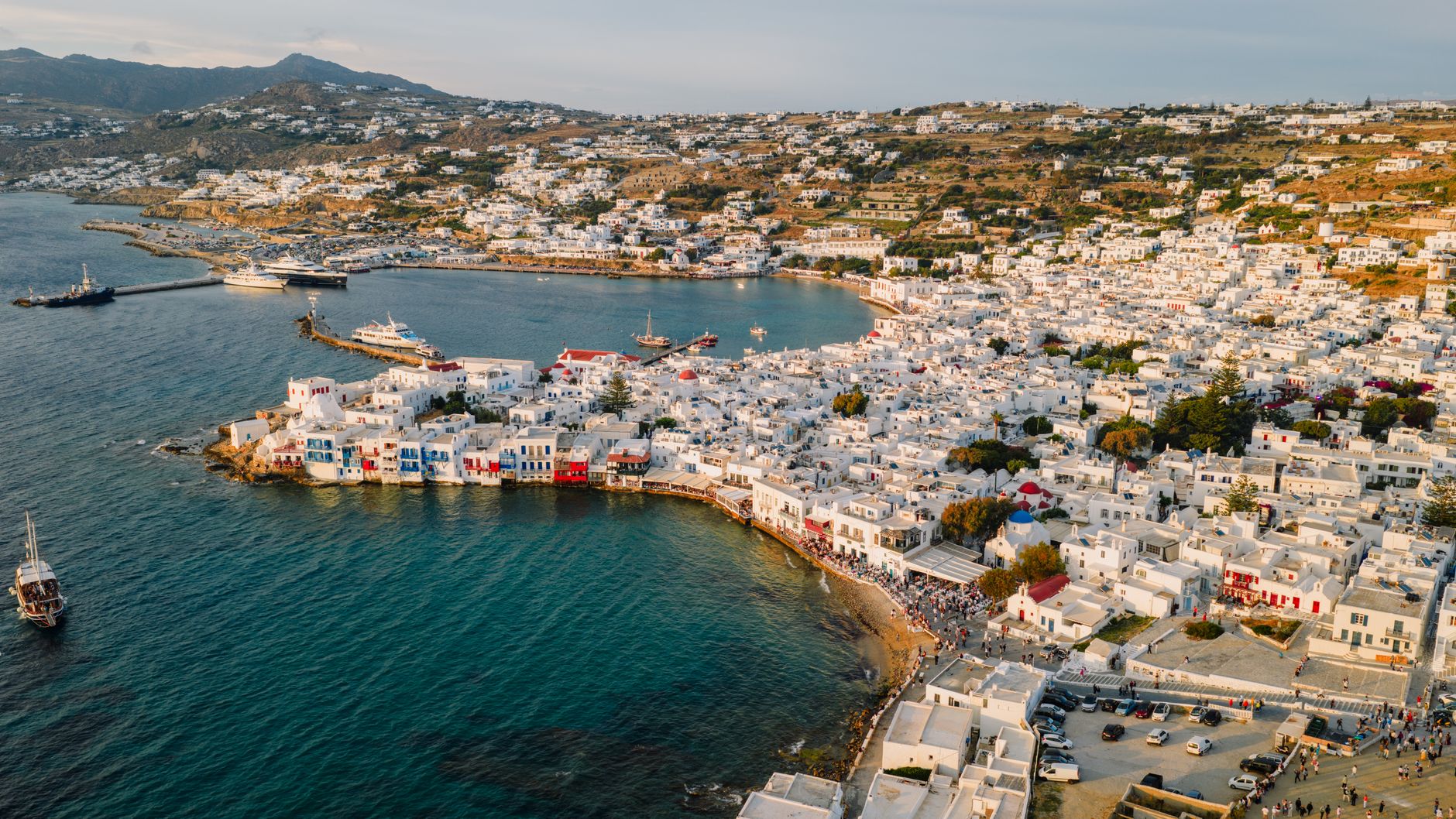
The tourism season on Mykonos wrapped up with last-minute bookings, changing visitor demographics, and a level of official regulatory scrutiny not seen in years. While Greek tourism broadly achieved growth, Mykonos and Santorini experienced downward adjustments. In the first four months of the year, air arrivals to Mykonos fell by 21.7 percent, with neighboring islands capturing some of the displaced traffic.
Discounts and Pricing Pressures
Summer numbers improved through late bookings, but the recovery came at a price. Published reports toward the end of the season indicated that accommodation prices dropped by as much as 50 percent, affecting various high-end properties and villas. While select luxury establishments maintained their rates thanks to returning clientele, many other operators faced tighter margins and adjusted their pricing to secure occupancy.
State Intervention and Enforcement
Alongside financial adjustments, state authorities increased their presence on the island. The Independent Authority for Public Revenue sealed businesses for failing to issue receipts, and planning offices faced investigation regarding unauthorized construction. Authorities also addressed shoreline encroachments following public complaints. These steps underscore the island's need to adapt to changing market conditions and stronger competition from other Greek islands and neighboring countries.